
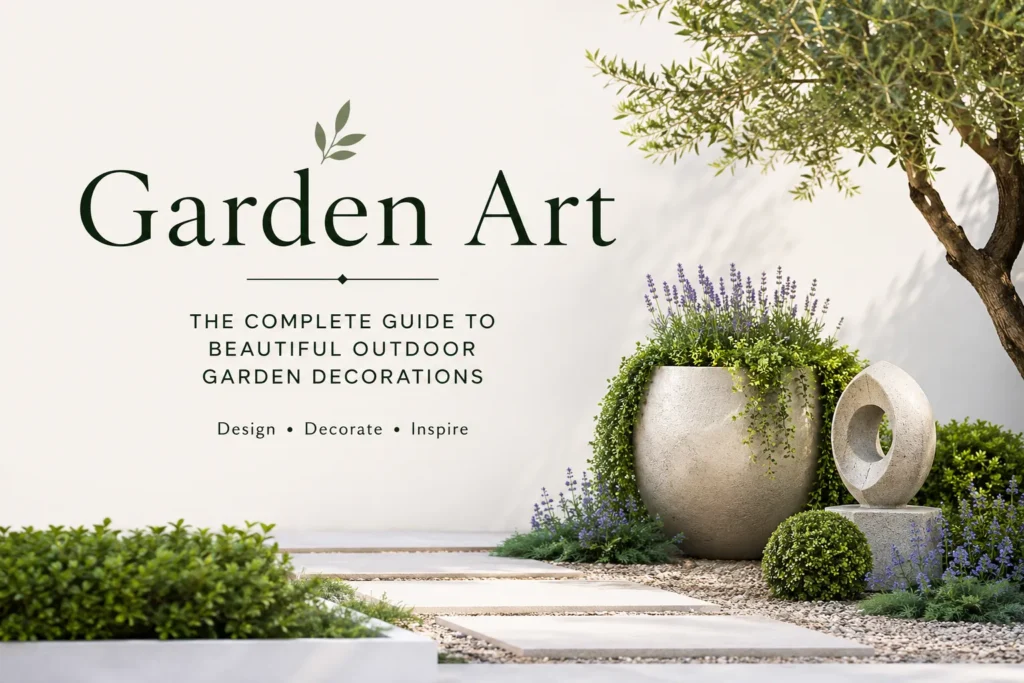
Gardens are more than places to grow plants. They are outdoor spaces where people relax, spend time with family, and connect with nature. However, a garden can feel even more inviting when it includes creative decorative elements. This is where garden art makes a difference. From colorful flower displays to elegant sculptures and water features, garden art transforms an ordinary landscape into a beautiful and personal retreat.
Today, homeowners are looking for ways to create outdoor spaces that reflect their personality. As a result, garden art has become an important part of modern landscaping. It helps create visual interest, highlights favorite plants, and brings harmony to the entire garden. Whether you have a spacious backyard or a compact balcony, the right decorative elements can make your outdoor area more attractive and functional.
Moreover, garden art is not limited to expensive sculptures or large fountains. Living plants, handmade decorations, decorative pots, recycled materials, and creative lighting can all become artistic features. With thoughtful planning, you can combine these elements to create a landscape that looks balanced throughout every season.
In this guide, you will learn what garden art is, why it matters, the different types available, design strategies, popular garden styles, DIY ideas, maintenance tips, and the latest trends. By the end of this article, you will have practical ideas to create a garden that is both beautiful and welcoming.
What is Garden Art?
Garden art refers to decorative and artistic elements that improve the appearance, atmosphere, and character of an outdoor garden. These elements can include sculptures, decorative pots, fountains, birdbaths, trellises, lighting, colorful plants, and even creative DIY projects. Unlike ordinary landscaping, garden art focuses on adding beauty while supporting the overall design of the garden.
Every garden tells a story. Some people prefer a peaceful Zen garden filled with rocks and bamboo. Others enjoy colorful cottage gardens packed with flowers. Therefore, garden art allows homeowners to express their personal style while creating a unique outdoor environment.
Definition of Garden Art
Garden art is the creative use of natural and decorative objects to enhance the beauty and functionality of a garden. It combines plants, structures, artistic features, and design principles to create visually appealing outdoor spaces.
Unlike indoor decoration, garden art must blend naturally with the surrounding landscape. Instead of competing with nature, it should complement the colors, textures, and shapes already present in the garden.
For example, a stone sculpture placed among flowering plants creates a striking focal point. Similarly, a wooden pergola covered with climbing roses adds both beauty and shade. Even a simple arrangement of colorful ceramic pots can become an artistic feature when placed thoughtfully.
Why Garden Art is Important
Garden art does much more than decorate an outdoor space. It improves the overall experience of spending time in the garden. A well-designed landscape feels peaceful, organized, and inviting.
First, decorative elements create visual interest. They guide the eye toward important areas and prevent the garden from looking empty. A carefully placed fountain or sculpture naturally becomes the center of attention.
Second, garden art creates a stronger connection between nature and design. Decorative features help organize planting areas, define pathways, and highlight seasonal flowers. As a result, the entire landscape appears more balanced.
Finally, attractive outdoor spaces can increase property value. Many homebuyers appreciate gardens that are thoughtfully designed because they require less work and offer immediate visual appeal.
Functional vs. Decorative Garden Art
Garden art can be divided into two main categories: functional and decorative. The best gardens often combine both.
Functional Garden Art
Functional garden art serves a practical purpose while adding beauty.
Examples include:
- Pergolas that provide shade
- Decorative benches for seating
- Trellises that support climbing plants
- Birdbaths that attract wildlife
- Raised planters for easier gardening
- Garden lighting for safety and ambiance
These features improve the usability of the garden while enhancing its appearance.
Decorative Garden Art
Decorative garden art focuses mainly on visual appeal. Although these pieces may not have a practical purpose, they create personality and artistic value.
Common examples include:
- Stone sculptures
- Garden statues
- Metal artwork
- Ceramic ornaments
- Decorative pots
- Wind spinners
- Mosaic stepping stones
- Artistic water features
These elements help create memorable focal points and make the garden feel unique.
Benefits of Garden Art
Adding artistic features to a garden offers many advantages beyond appearance.
Creates Visual Interest
Gardens filled only with plants may sometimes look repetitive. Decorative elements introduce different shapes, colors, and textures that capture attention. Consequently, visitors enjoy exploring every corner of the landscape.
Reflects Personal Style
Every gardener has different tastes. Some enjoy rustic wooden decorations, while others prefer modern metal sculptures. Garden art allows you to express your creativity and build a space that reflects your personality.
Improves Outdoor Living
Outdoor spaces have become extensions of the home. Comfortable seating, decorative lighting, and artistic landscaping encourage families to spend more time outside. This creates a relaxing environment for reading, entertaining guests, or enjoying nature.
Supports Garden Design
Garden art also helps organize the landscape. Decorative features guide movement through the garden and connect different planting areas. For instance, an archway can lead visitors from one section to another while creating a sense of journey.
Adds Year-Round Beauty
Many flowering plants bloom only during certain seasons. However, sculptures, decorative containers, fountains, and artistic structures continue to add interest throughout the year. Therefore, the garden remains attractive even during winter.
Encourages Wildlife
Some decorative features also support local wildlife. Birdbaths, insect hotels, flowering plants, and small water features attract birds, butterflies, and beneficial insects. As a result, the garden becomes healthier and more vibrant.
Garden Art and Landscaping Work Together
Although people often use the terms interchangeably, garden art and landscaping are not the same.
Landscaping focuses on the overall structure of the garden, including lawns, pathways, trees, drainage, and planting layouts. Garden art, on the other hand, enhances that structure with decorative features that create personality and visual appeal.
The most beautiful gardens combine both. Strong landscaping provides the foundation, while carefully chosen garden art adds character, balance, and creativity.
Benefits of Garden Art
Garden art does more than make an outdoor space look attractive. It creates a welcoming atmosphere, highlights the beauty of plants, and makes the garden more enjoyable throughout the year. Whether you choose decorative sculptures, colorful flower beds, or elegant water features, the right garden art can completely transform your landscape.
Adds Personality to Your Garden
Every garden reflects the personality of its owner. Therefore, adding artistic elements helps create a space that feels unique and meaningful. Some homeowners prefer modern metal sculptures, while others enjoy rustic wooden decorations or colorful ceramic pots.
You can also use handmade decorations to give your garden a personal touch. Painted planters, mosaic stepping stones, or recycled garden art can make your outdoor space stand out. As a result, your garden becomes a true reflection of your creativity.
Creates Beautiful Focal Points
A focal point is the first feature that attracts attention when someone enters the garden. Without one, the landscape may appear plain or unorganized.
Garden sculptures, fountains, decorative arches, and flowering trees naturally draw the eye. Moreover, placing these features in the right location helps create balance throughout the garden. A well-designed focal point encourages visitors to explore the surrounding landscape.
Improves Curb Appeal
The front garden is one of the first things people notice about a home. Attractive garden art creates a positive first impression and enhances the property’s overall appearance.
Decorative pathways, stylish planters, flowering borders, and elegant lighting can instantly improve curb appeal. Furthermore, a well-maintained garden may even increase property value by making the home more appealing to potential buyers.
Enhances Outdoor Living Spaces
Modern gardens are often designed as outdoor living areas. Comfortable seating, pergolas, decorative lighting, and artistic landscaping create spaces where families can relax and spend quality time together.
Adding functional garden art such as benches, shaded pergolas, or decorative screens makes the space both beautiful and practical. Consequently, your garden becomes an extension of your home rather than just a place to grow plants.
Complements Landscaping
Garden art works best when it blends naturally with the surrounding landscape. Decorative elements should enhance plants instead of overpowering them.
For example, a stone sculpture surrounded by ornamental grasses creates a peaceful setting. Similarly, a wooden pergola covered with climbing roses adds height and elegance to the landscape. By combining decorative features with healthy plants, you create a balanced and harmonious garden.
Types of Garden Art
Garden art comes in many forms. Some pieces are permanent structures, while others change with the seasons. Living plants, decorative features, and creative arrangements all contribute to a beautiful outdoor space.
The best gardens combine different types of garden art to create variety, texture, and year-round interest.
Indoor Conservatory Plants as Living Art
Living plants are one of the most beautiful forms of garden art. Their colors, textures, and shapes constantly change, creating a dynamic landscape that evolves throughout the year.
A conservatory or covered garden allows homeowners to display tropical and ornamental plants while protecting them from harsh weather. These spaces combine architecture with nature to create stunning visual displays.
Pergolas
Pergolas add height and structure to a garden. They provide partial shade while supporting climbing plants such as roses, jasmine, or bougainvillea. As these plants grow, they create a beautiful natural canopy that becomes a focal point.
Majlis Gardens
A Majlis-inspired garden combines traditional Middle Eastern seating with lush greenery. Comfortable seating areas surrounded by ornamental plants create a peaceful place for relaxation and social gatherings.
Magnolia
Magnolia trees are admired for their large, elegant flowers and glossy green leaves. Their seasonal blooms add sophistication and become a striking feature in larger gardens.
Summer Linens
Plants with soft, light-colored foliage create a calm and airy appearance during the warmer months. These combinations pair well with flowering plants to soften the overall garden design.
Hibiscus
Hibiscus produces vibrant blooms in shades of red, pink, yellow, and orange. Its tropical appearance adds bold color and works well as a feature plant in sunny gardens.
Peace Palm
Peace palms provide lush green foliage that creates a relaxing atmosphere. Their elegant leaves contrast beautifully with flowering plants and decorative garden features.
Bougainvillea
Bougainvillea is famous for its brilliant pink, purple, orange, and white bracts. It grows beautifully over pergolas, fences, and arches, adding dramatic color throughout the growing season.
Banana Plant
Banana plants create a tropical look with their large leaves and impressive height. Even without fruit, they become living sculptures that add texture and movement to the garden.
Bamboo
Bamboo introduces vertical interest while creating privacy. Its graceful stems and gentle movement in the wind make it both decorative and functional.
Madagascan Dragon Creeper
This climbing plant adds lush greenery to walls, trellises, and pergolas. Its dense foliage creates natural privacy and enhances vertical garden designs.
Hydrangea
Hydrangeas produce large flower clusters in shades of blue, pink, white, and purple. They create stunning seasonal displays and work beautifully in cottage and traditional gardens.
Seasonal Garden Combinations
A beautiful garden changes with the seasons. Choosing plants that thrive at different times of the year ensures your landscape always has color, texture, and interest.
Spring
Spring gardens celebrate new growth and vibrant blooms after winter.
Popular combinations include:
- Flowering bulbs with early spring perennials
- Snapdragons paired with colorful pansies
- Lavender mixed with strawberries
- Maroon foliage contrasted with soft green moss
These combinations create fresh, colorful displays that welcome the new season.
Summer
Summer gardens feature bold colors and lush foliage.
Excellent pairings include:
- Bright geraniums in decorative containers
- Cosmos combined with sweet potato vine
- Ornamental grasses with fragrant lavender
- Agapanthus planted alongside orchids
- Colorful impatiens paired with aloe hybrids
These plants thrive in warm weather and provide continuous visual interest throughout summer.
Fall
Autumn gardens showcase rich colors and dramatic textures.
Beautiful combinations include:
- Dahlias with black-eyed Susans
- Maple foliage surrounded by white alyssum
- Ornamental kale mixed with chrysanthemums
- Celosia paired with blue fescue
These combinations celebrate the warm tones of the season while maintaining structure in the garden.
Winter
Even during winter, a garden can remain attractive with carefully selected plants.
Ideal winter combinations include:
- Heather with cyclamen
- Coral bells alongside wintergreens
- Skimmia planted with dwarf cypress
- Hellebores combined with cyclamen
- Early daffodils paired with candytuft
These plants provide color, texture, and greenery when many other plants are dormant.
By planning for all four seasons, you can create a garden that remains beautiful throughout the entire year.
Garden Design Strategies
Creating a beautiful garden is not only about choosing attractive plants or decorations. The way you arrange these elements is equally important. Good garden design combines texture, color, height, and balance to create an outdoor space that feels natural and inviting.
Professional landscape designers follow simple design principles to make gardens look organized and visually appealing. Fortunately, you can apply these same ideas in your own garden, regardless of its size.
Texture and Composition
Texture is one of the most important elements of garden design. It refers to how plants and decorative features look and feel. Some plants have soft, fine leaves, while others have bold, broad foliage. Mixing different textures creates depth and keeps the garden interesting.
Likewise, composition is the arrangement of plants, decorations, and structures within the garden. A balanced composition makes the space feel comfortable and harmonious rather than crowded.
Follow the Thriller–Filler–Spiller Rule
The Thriller–Filler–Spiller method is one of the easiest ways to create attractive plant displays, especially in containers and raised beds.
- Thriller: A tall, eye-catching plant that becomes the centerpiece.
- Filler: Medium-height plants that add volume and color.
- Spiller: Trailing plants that cascade over the edges of containers.
For example, you can pair a banana plant as the thriller, colorful coleus as the filler, and trailing ivy as the spiller. This combination creates a balanced arrangement that looks professional and full.
Use Silver Foliage for Contrast
Silver-leaved plants bring elegance and brightness to a garden. They also soften bold colors and create smooth transitions between different planting areas.
Plants such as dusty miller, lavender, and lamb’s ear pair beautifully with flowering plants. Their cool tones help balance vibrant blooms while adding texture throughout the landscape.
Add Purple Textures
Purple foliage creates richness and depth. It contrasts beautifully with green leaves and colorful flowers.
Plants like purple heuchera, Persian shield, and ornamental grasses introduce dramatic color without overwhelming the garden. Therefore, using purple foliage sparingly creates a sophisticated appearance.
Try Drift Planting
Instead of planting flowers in straight rows, group the same plants in natural-looking clusters called drifts.
Drift planting mimics how plants grow in nature. As a result, the garden feels more relaxed and visually connected. Repeating these clusters throughout the landscape also creates rhythm and unity.
Balance Visual Weight
Every decorative feature has visual weight. Large sculptures, mature trees, and bold flower beds naturally attract attention.
Avoid placing all heavy features on one side of the garden. Instead, distribute them evenly to create balance. A large fountain on one side can be balanced with a flowering tree or pergola on the opposite side.
A balanced garden feels peaceful and comfortable to explore.
Garden Color Schemes
Color plays a major role in creating mood and atmosphere. The right color combination can make a small garden appear larger, create a sense of calm, or add energy to the landscape.
Before choosing flowers and decorations, consider a color palette that suits your style.
Primary Colors
Primary colors include red, blue, and yellow.
These colors create bold and energetic displays. However, using too many bright colors together may make the garden look busy. Therefore, balance them with green foliage or neutral decorative materials.
Secondary Colors
Secondary colors include orange, green, and purple.
These colors blend naturally with most garden plants and create attractive transitions between different planting areas.
Warm Color Gardens
Warm colors include:
- Red
- Orange
- Yellow
These colors create excitement and attract attention. They work well near entrances, patios, and entertainment areas where you want the garden to feel lively and welcoming.
Cool Color Gardens
Cool colors include:
- Blue
- Purple
- White
- Soft pink
These shades create a peaceful and relaxing atmosphere. They are perfect for meditation gardens, reading corners, or shaded spaces.
Monochromatic Gardens
A monochromatic garden uses different shades of the same color.
For example, a white garden may include white roses, white hydrangeas, silver foliage, and pale stone decorations. Although simple, this design creates an elegant and timeless appearance.
Complementary Colors
Complementary colors sit opposite each other on the color wheel.
Examples include:
- Purple and yellow
- Blue and orange
- Red and green
These combinations create strong contrast and make flowers stand out. However, use them carefully to avoid overwhelming the garden.
Plant Pairing Tips
Successful gardens combine plants that grow well together. Beautiful arrangements are not only about appearance but also about choosing plants with similar growing requirements.
Match Light Requirements
Always group plants with similar sunlight needs.
For example, lavender and rosemary thrive in full sun, while ferns and hostas prefer shade. Planting sun-loving and shade-loving species together often leads to poor growth.
Understanding light requirements helps every plant stay healthy.
Choose Plants with Similar Water Needs
Watering becomes much easier when plants have similar moisture requirements.
Succulents and cacti prefer dry soil, whereas hydrangeas and many flowering perennials require consistent moisture. Keeping these plants in separate areas reduces maintenance and prevents watering problems.
Consider Growth Compatibility
Some plants grow quickly and may crowd slower-growing varieties.
Before planting, check the mature size of each species. Leave enough space for future growth to ensure every plant receives adequate sunlight and airflow.
This also reduces the risk of pests and fungal diseases.
Layer Plants by Height
Layering creates depth and makes gardens appear larger.
A simple arrangement includes:
- Tall trees or shrubs at the back
- Medium-sized flowering plants in the middle
- Ground covers and low-growing flowers at the front
This design allows every plant to remain visible while creating a natural flow throughout the landscape.
Mix Different Blooming Seasons
Choose plants that flower at different times of the year.
For example, spring bulbs can be followed by summer perennials, autumn chrysanthemums, and winter hellebores. As one plant finishes blooming, another begins.
This approach ensures the garden remains colorful and attractive throughout the year.
Repeat Plants for Unity
Rather than using dozens of different species, repeat a few favorite plants across the garden.
Repeating colors, textures, and plant varieties creates a sense of unity. Consequently, the garden feels organized instead of cluttered.
By following these design strategies, you can create an outdoor space that looks professionally designed while remaining easy to maintain.
Garden Styles and Themes
Choosing the right garden style helps create a space that matches your home, lifestyle, and climate. Each style has its own charm, plant selection, and decorative elements. Whether you have a large backyard or a small balcony, selecting a consistent theme makes the entire landscape look more organized and visually appealing.
Instead of mixing too many ideas, focus on one style that reflects your personality. Then, choose plants, garden art, and materials that complement each other.
By Space
Different outdoor spaces require different design approaches. Understanding the strengths of each area helps you make the best use of your available space.
Front Yard Gardens
The front yard creates the first impression of your home. Therefore, it should look clean, welcoming, and well-maintained.
Use decorative pathways, flowering borders, ornamental shrubs, and attractive planters to enhance curb appeal. A small fountain, elegant sculpture, or decorative arch can also become a beautiful focal point. However, avoid overcrowding the entrance with too many decorations.
Backyard Landscapes
A backyard offers more freedom for creativity and relaxation. It can include seating areas, pergolas, water features, vegetable beds, and colorful flower gardens.
Divide the backyard into functional zones. For example, create one area for entertaining guests, another for children’s activities, and a quiet corner for reading or meditation. This layout makes the garden more practical and enjoyable.
Small Urban Gardens
Limited space does not mean limited creativity. Even a small courtyard, balcony, or terrace can become a beautiful garden.
Choose compact plants, hanging baskets, vertical planters, and multi-purpose furniture to maximize space. Mirrors, light-colored paving, and decorative lighting can also make small gardens appear larger.
Shade Gardens
Shaded areas often provide a cool and peaceful atmosphere. Instead of fighting the shade, select plants that naturally thrive in low-light conditions.
Hostas, ferns, caladiums, hydrangeas, and coral bells add texture and color to shaded spaces. Pair them with stone pathways, wooden benches, and subtle lighting to create a relaxing retreat.
Vertical Gardens
Vertical gardens are ideal for balconies, patios, and compact outdoor spaces. They use walls, trellises, and hanging structures to grow plants upward rather than outward.
Climbing roses, jasmine, ivy, pothos, and bougainvillea create lush green walls that save space while improving privacy. Decorative wall planters and living plant panels also add a modern touch.
By Style
Garden styles vary widely, from colorful traditional landscapes to minimalist modern designs. Choosing one style creates harmony throughout the entire space.
Cottage Garden
A cottage garden is informal, colorful, and full of charm. It features a mix of flowering plants, herbs, and climbing roses arranged in a natural-looking way.
Popular plants include lavender, foxgloves, daisies, delphiniums, and hydrangeas. Wooden fences, rustic benches, and vintage planters complete the look. This style is perfect for gardeners who enjoy abundant flowers and a relaxed atmosphere.
Zen Garden
A Zen garden focuses on simplicity, balance, and mindfulness. Inspired by Japanese design, it uses natural materials to create a calm and peaceful environment.
Common elements include raked gravel, large rocks, bamboo, moss, stone lanterns, and small water features. Every feature has a purpose, creating a space that encourages relaxation and reflection.
Mediterranean Garden
Mediterranean gardens thrive in warm, sunny climates. They combine drought-tolerant plants with natural stone and terracotta materials.
Olive trees, lavender, rosemary, bougainvillea, and citrus plants are popular choices. Stone pathways, clay pots, and decorative fountains add warmth and elegance. This style is both beautiful and water-efficient.
Tropical Garden
Tropical gardens create a lush, vibrant atmosphere with large leaves and bold flowers.
Plants such as banana plants, hibiscus, bird of paradise, palms, elephant ears, and bamboo provide dramatic texture. Waterfalls, wooden bridges, and natural stone features enhance the tropical feel.
This style works best in warm and humid climates but can also be adapted with container plants in cooler regions.
Desert Xeriscape
A xeriscape garden is designed to conserve water while remaining attractive. It uses drought-resistant plants and low-maintenance landscaping.
Succulents, cacti, agaves, yuccas, and ornamental grasses are common choices. Gravel pathways, decorative rocks, and minimalist sculptures complete the design. This style is ideal for dry climates and environmentally conscious gardeners.
English Borders
English gardens are known for their structured flower beds and elegant symmetry.
Neatly arranged borders feature roses, peonies, salvia, foxgloves, and ornamental shrubs. Trimmed hedges, stone pathways, and decorative benches create a timeless appearance.
This style offers year-round beauty while maintaining a formal and organized layout.
Eco-Friendly Gardens
Sustainable gardening is becoming increasingly popular. Eco-friendly gardens not only look beautiful but also support wildlife and protect the environment.
Pollinator Gardens
Pollinator gardens attract bees, butterflies, hummingbirds, and other beneficial insects. These creatures play an important role in plant reproduction and biodiversity.
Grow nectar-rich plants such as lavender, salvia, echinacea, bee balm, cosmos, and sunflowers. Avoid harmful pesticides to create a safe habitat for pollinators.
Native Plants
Native plants naturally grow in your local region. Since they are adapted to the local climate, they require less water, fertilizer, and maintenance.
They also provide food and shelter for native birds, butterflies, and insects. Using native plants creates a healthier and more sustainable garden.
Rain Gardens
Rain gardens help collect and filter rainwater before it enters storm drains. They reduce flooding, prevent soil erosion, and improve water quality.
Plant moisture-loving species in shallow depressions where rainwater naturally collects. This approach benefits both the environment and your landscape.
Butterfly Habitats
Butterfly gardens combine nectar plants with host plants to support every stage of a butterfly’s life cycle.
Milkweed, lantana, verbena, zinnias, and butterfly bush are excellent choices. Adding shallow water dishes and sunny resting spots makes the habitat even more inviting.
Creating a butterfly-friendly garden brings movement, color, and biodiversity to your outdoor space.
By selecting a suitable garden style and incorporating sustainable practices, you can create an outdoor space that is both beautiful and environmentally responsible. Whether you prefer a colorful cottage garden or a minimalist Zen retreat, consistency in design will make your landscape feel more balanced and inviting.
Materials Used in Garden Art
The materials you choose for your garden art affect its appearance, durability, and maintenance. Some materials blend naturally with plants, while others create a bold, modern look. Therefore, selecting the right materials helps ensure your garden remains attractive for many years.
When choosing garden decorations, consider your local climate, budget, and overall garden style. Durable materials may cost more initially, but they often require less maintenance and last much longer.
Natural Materials
Natural materials create a timeless appearance because they blend beautifully with outdoor landscapes. They also complement plants without making the garden feel artificial.
Stone
Stone is one of the most popular materials for garden art. It is strong, weather-resistant, and suitable for almost every garden style.
Stone can be used for:
- Garden sculptures
- Stepping stones
- Retaining walls
- Water features
- Decorative borders
- Rock gardens
Natural stone develops character over time, making it an excellent long-term investment.
Wood
Wood adds warmth and a rustic charm to outdoor spaces. It works especially well in cottage, woodland, and tropical gardens.
Common wooden garden features include:
- Pergolas
- Benches
- Trellises
- Raised garden beds
- Decorative fences
- Wooden signs
Choose treated hardwood or naturally durable wood such as cedar or teak to resist moisture and insects.
Glass
Glass introduces elegance and reflects sunlight beautifully throughout the day.
Popular glass garden decorations include:
- Glass sculptures
- Decorative garden balls
- Mosaic artwork
- Hanging ornaments
- Solar light fixtures
Although glass adds visual interest, it should be placed carefully to avoid accidental damage.
Ceramic
Ceramic decorations add color and artistic detail to gardens.
Common examples include:
- Decorative flower pots
- Garden statues
- Ceramic animals
- Birdbaths
- Mosaic planters
High-quality glazed ceramic withstands outdoor conditions better than untreated pottery.
Recycled Materials
Recycled materials are becoming increasingly popular because they reduce waste while encouraging creativity.
You can transform many everyday items into attractive garden decorations, such as:
- Old tires
- Wooden pallets
- Metal buckets
- Glass bottles
- Tin cans
- Broken pottery
These projects are affordable, environmentally friendly, and perfect for DIY enthusiasts.
Decorative Features
Decorative features bring movement, sound, and personality to a garden. They also help define different areas of the landscape.
Traditional Fountains
Water fountains create a peaceful atmosphere with the soothing sound of flowing water. They also become impressive focal points in both large and small gardens.
Choose a fountain that matches the size of your garden. An oversized fountain may overwhelm a compact space, while a small fountain could disappear in a large landscape.
Living Arrangements
Living arrangements combine decorative containers with carefully selected plants.
Examples include:
- Mixed flower containers
- Succulent displays
- Vertical gardens
- Hanging baskets
- Seasonal plant arrangements
These displays allow you to refresh your garden throughout the year by changing plants according to the season.
Birdbaths
Birdbaths provide fresh water for birds while adding beauty to the garden.
Place birdbaths in quiet areas near shrubs or trees where birds feel safe. Clean them regularly to maintain healthy water for wildlife.
Decorative Arches
Garden arches create attractive entrances and connect different sections of the landscape.
Climbing plants such as roses, jasmine, clematis, and bougainvillea grow beautifully over arches. Over time, they create natural tunnels filled with flowers and fragrance.
Drainage Considerations
Even the most beautiful garden art can become damaged if drainage is poor.
Avoid placing wooden decorations in constantly wet areas. Likewise, ceramic and stone features should sit on stable, well-drained surfaces to prevent cracking or shifting.
Good drainage also protects plant roots and reduces maintenance problems.
Maintenance
Regular maintenance keeps garden art looking attractive and extends its lifespan. Fortunately, most decorative features require only simple care.
Cleaning
Dust, dirt, algae, and fallen leaves can reduce the beauty of garden decorations.
Clean different materials appropriately:
- Stone: Wash with water and a soft brush.
- Wood: Remove dirt and apply protective oil when needed.
- Ceramic: Wipe gently with mild soap and water.
- Metal: Remove rust and apply protective coatings.
- Glass: Clean regularly to maintain its shine.
Routine cleaning prevents long-term damage and keeps decorations looking fresh.
Seasonal Care
Weather changes affect outdoor decorations throughout the year.
Before winter, protect delicate ceramic pots and glass ornaments from freezing temperatures. During the rainy season, inspect wooden structures for moisture damage. In summer, check water features regularly to prevent algae growth.
Seasonal maintenance reduces repair costs and extends the life of your garden art.
Weather Protection
Strong sunlight, heavy rain, snow, and wind can gradually damage outdoor decorations.
Protect your garden art by:
- Applying waterproof sealants to wood.
- Using UV-resistant paint on outdoor furniture.
- Covering delicate decorations during extreme weather.
- Securing lightweight ornaments against strong winds.
These simple steps help preserve both appearance and durability.
Repair Tips
Small problems are easier to fix than major damage.
Inspect your garden decorations several times each year. Tighten loose screws, repair cracked wood, repaint faded surfaces, and replace damaged parts when necessary.
Regular inspections prevent minor issues from becoming expensive repairs.
How to Choose Garden Art
Selecting the right garden art requires careful planning. Instead of buying decorations simply because they look attractive, choose pieces that suit your space, lifestyle, and landscape design.
Consider Your Garden Size
The size of your garden should determine the size of your decorations.
Large sculptures work well in spacious landscapes but may overwhelm a small courtyard. Likewise, tiny ornaments can disappear in a large backyard.
Choose decorations that feel proportional to the available space.
Set a Budget
Garden art is available at many price points.
You do not need expensive sculptures to create a beautiful landscape. Decorative pots, DIY projects, recycled materials, and seasonal plants can have just as much visual impact while keeping costs low.
Start with a few quality pieces and expand your collection over time.
Think About Your Climate
Weather conditions influence which materials perform best outdoors.
For example:
- Stone withstands most climates.
- Treated wood performs well with proper maintenance.
- Metal may rust in humid regions unless protected.
- Ceramic can crack in freezing temperatures.
Selecting climate-appropriate materials reduces maintenance and increases durability.
Match Your Garden Theme
Your decorations should support your chosen garden style.
For example:
- A Zen garden pairs well with bamboo, stone lanterns, and gravel.
- A cottage garden looks best with rustic wooden features and flowering plants.
- A tropical garden complements waterfalls, palms, and natural stone.
- A modern garden suits minimalist sculptures and geometric planters.
Consistency creates a more professional appearance.
Ensure Plant Compatibility
Garden art should enhance plants rather than compete with them.
Place sculptures where they remain visible without blocking important planting areas. Likewise, avoid decorations that shade sun-loving plants or restrict future growth.
Allow enough space for plants to mature naturally.
Coordinate Colors
Choose decorative colors that complement nearby flowers and foliage.
Neutral materials such as stone, wood, black metal, and white ceramic work with almost every planting scheme. Bright decorations should be used sparingly to create focal points rather than visual clutter.
Prioritize Material Durability
Outdoor decorations remain exposed to changing weather throughout the year.
Whenever possible, invest in high-quality materials that resist moisture, sunlight, and temperature changes. Although durable materials may cost more initially, they often save money over time because they require fewer repairs and replacements.
By selecting suitable materials and maintaining them properly, your garden art will continue enhancing your outdoor space for many years. Careful planning ensures every decorative feature contributes to a beautiful, balanced, and long-lasting landscape.
Common Garden Decorating Mistakes
Decorating a garden is exciting, but small design mistakes can reduce its overall beauty. A well-planned garden feels balanced, organized, and inviting. On the other hand, poor planning can make the space look crowded and difficult to maintain.
By avoiding these common mistakes, you can create a landscape that remains attractive throughout the year.
Overcrowding the Garden
One of the biggest mistakes is adding too many plants, sculptures, and decorative features.
Although each item may look beautiful on its own, combining too many elements creates visual clutter. As plants mature, they also compete for sunlight, water, and nutrients.
Instead, leave enough space between plants and decorations. Open spaces allow the eye to rest and make the garden feel larger.
Ignoring Scale and Proportion
Every decorative feature should match the size of the garden.
A large stone fountain may dominate a small courtyard, while a tiny ornament may disappear in a spacious backyard.
Choose decorations that fit naturally within the available space. Maintaining proper proportion creates a balanced and harmonious landscape.
Poor Color Balance
Using too many bright colors can make a garden appear busy and overwhelming.
Instead, select a consistent color palette. Neutral materials such as stone, wood, and black metal blend well with colorful flowers. Repeating a few colors throughout the garden creates unity and visual harmony.
Mixing Too Many Themes
Combining a Zen garden with tropical plants, rustic decorations, and modern sculptures often creates confusion.
Choose one primary style and maintain consistency throughout the landscape. Decorative features, plants, pathways, and furniture should all support the same design theme.
Choosing Low-Quality Materials
Cheap materials may fade, crack, rust, or break after only a short period.
Investing in durable stone, treated wood, weather-resistant metal, or high-quality ceramic often saves money over time. Better materials require fewer repairs and maintain their appearance for many years.
Neglecting Maintenance
Even the most beautiful garden art requires regular care.
Dirty fountains, faded paint, broken ornaments, and overgrown plants reduce the overall appearance of the landscape.
Create a simple maintenance schedule that includes cleaning, pruning, inspecting decorations, and repairing damaged features. Regular care keeps the garden looking fresh throughout every season.
DIY Garden Art Ideas
Creating your own garden decorations is a fun and affordable way to personalize your outdoor space. DIY projects also allow you to recycle materials and reduce waste while adding unique artistic features.
Painted Flower Pots
Transform ordinary terracotta pots with weather-resistant paint.
Use geometric patterns, floral designs, or simple pastel colors to match your garden theme. Painted pots brighten patios, balconies, and entrance areas.
Stone Painting
Smooth river stones make excellent decorative pieces.
Paint inspirational quotes, flowers, insects, or colorful patterns. Place them along pathways, around flower beds, or near water features for added character.
Wooden Garden Signs
Handmade wooden signs add rustic charm to any landscape.
Label herbs, vegetables, flower beds, or create welcoming messages such as:
- Welcome to My Garden
- Butterfly Corner
- Herb Garden
- Relax and Bloom
Seal the wood with outdoor varnish to protect it from rain and sunlight.
Recycled Planters
Many household items can become creative planters.
Popular options include:
- Old buckets
- Wooden crates
- Vintage teapots
- Worn-out boots
- Metal watering cans
- Bicycle baskets
These recycled containers add personality while reducing waste.
Hanging Glass Bottles
Glass bottles can be turned into beautiful hanging decorations.
Use colored bottles to catch sunlight or convert them into small planters. Hanging bottle gardens work especially well on patios, pergolas, and balconies.
Mosaic Stepping Stones
Decorate concrete stepping stones using broken ceramic tiles, pebbles, or colored glass pieces.
These artistic pathways become attractive focal points while guiding visitors through the garden.
Wooden Pallet Projects
Wooden pallets are inexpensive and highly versatile.
They can be transformed into:
- Vertical gardens
- Outdoor benches
- Plant shelves
- Compost storage
- Garden tool organizers
With proper treatment, pallet projects can last for many years.
Garden Art Trends in 2026
Garden design continues to evolve as homeowners focus on sustainability, technology, and low-maintenance landscapes. The following trends are expected to shape outdoor spaces in 2026.
Sustainable Garden Decor
Eco-friendly decorations made from recycled wood, reclaimed metal, bamboo, and natural stone continue to gain popularity.
Gardeners increasingly choose products that reduce environmental impact while maintaining long-term durability.
Smart Garden Lighting
Solar-powered and app-controlled lighting systems are becoming more common.
Smart lighting improves safety while highlighting pathways, sculptures, fountains, and feature plants during the evening. Motion sensors and energy-efficient LEDs also reduce electricity consumption.
Vertical Garden Installations
As urban spaces become smaller, vertical gardening continues to grow in popularity.
Living walls, modular planting systems, and decorative green panels maximize space while creating stunning natural artwork.
Recycled Materials
Creative upcycling remains one of the biggest gardening trends.
Old furniture, reclaimed bricks, vintage containers, and recycled metal pieces are transformed into unique garden art that combines creativity with sustainability.
Minimalist Landscapes
Many homeowners now prefer clean and uncluttered gardens.
Simple layouts, carefully selected plants, neutral materials, and spacious designs create peaceful outdoor environments that require less maintenance.
Wildlife-Friendly Gardens
Supporting biodiversity is becoming a priority for many gardeners.
Native plants, pollinator flowers, birdbaths, insect hotels, and small ponds help create habitats for birds, butterflies, bees, and other beneficial wildlife.
These gardens not only look beautiful but also contribute to healthier local ecosystems.
Frequently Asked Questions (FAQ)
What is garden art?
Garden art includes decorative features such as sculptures, fountains, planters, decorative lighting, artistic plant arrangements, and handmade decorations that enhance the beauty and character of an outdoor garden.
How do I decorate a small garden?
Focus on vertical gardening, compact plants, decorative containers, mirrors, and multi-functional furniture. Keeping the design simple helps small gardens feel larger and more organized.
Which materials last the longest outdoors?
Natural stone, treated hardwood, stainless steel, and high-quality ceramic are among the most durable materials for outdoor garden decorations. Regular maintenance further extends their lifespan.
What is the best garden style for beginners?
A cottage garden or a simple modern garden is often the easiest to maintain. Both styles allow flexibility while providing plenty of opportunities to add decorative plants and garden art.
How do I maintain outdoor decorations?
Clean decorations regularly, inspect them for damage, protect delicate materials during extreme weather, and apply sealants or protective coatings when needed.
Can I make DIY garden art?
Yes. Painted pots, recycled planters, wooden signs, mosaic stepping stones, pallet projects, and hanging bottle gardens are affordable DIY options that add personality to your outdoor space.
How much does garden decoration cost?
The cost depends on the materials and design. DIY projects can cost very little, while premium sculptures, fountains, and custom landscaping may require a larger budget. Starting with a few quality pieces is often the best approach.
What plants work best with garden sculptures?
Plants such as lavender, ornamental grasses, hostas, hydrangeas, roses, bamboo, and low-growing ground covers complement sculptures by adding texture and color without hiding the artwork.
Conclusion
Garden art is more than decoration—it is a creative way to transform an ordinary outdoor space into a beautiful and relaxing environment. By combining artistic features with healthy plants, you can create a garden that reflects your personality while enhancing the overall landscape.
Whether you prefer a colorful cottage garden, a peaceful Zen retreat, or a modern minimalist design, thoughtful planning makes all the difference. Choose durable materials, follow basic design principles, and avoid common decorating mistakes to achieve a balanced and visually appealing garden.
You do not need a large budget to create an impressive outdoor space. Simple additions such as painted pots, recycled planters, decorative lighting, or seasonal flower arrangements can make a significant impact. Most importantly, maintain your garden regularly so it continues to look fresh and welcoming throughout the year.
With the right combination of creativity, planning, and care, your garden can become a peaceful retreat that you and your family will enjoy for many years to come.