
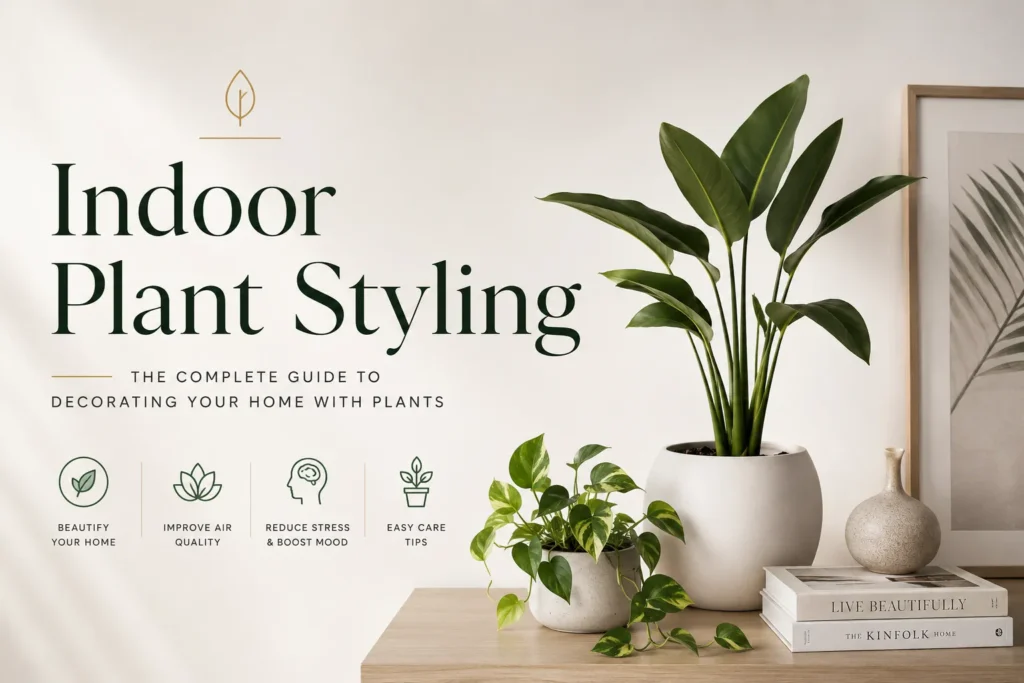
Indoor plants have become an essential part of modern home décor, offering a perfect blend of beauty and functionality. They add color, texture, and life to indoor spaces while creating a calm and refreshing atmosphere. Whether you live in a compact apartment or a spacious home, thoughtfully styled plants can transform ordinary rooms into inviting green spaces.
Indoor plant styling is more than simply placing a few pots around your home. It involves choosing the right plants, matching them with suitable containers, and arranging them to complement your interior design. When done correctly, plant styling creates balance, improves visual appeal, and helps your plants thrive in their environment.
Besides enhancing your home’s appearance, indoor plants offer several practical benefits. They can make indoor spaces feel more relaxing, increase humidity slightly, and create a stronger connection with nature. Many people also enjoy caring for houseplants as a mindful hobby that reduces stress and adds a sense of accomplishment.
The good news is that anyone can start styling indoor plants. You don’t need to be an interior designer or an experienced gardener. By understanding a few basic design principles and choosing plants that suit your home’s conditions, you can create beautiful displays that fit your lifestyle and budget.
In this guide, you’ll learn how to style indoor plants like a professional, choose the best plants for different rooms, select attractive containers, and avoid common decorating mistakes.
Benefits of Indoor Plant Styling
Indoor plant styling offers much more than visual appeal. A well-planned arrangement of greenery can improve the overall atmosphere of your home while making your living spaces feel warmer and more welcoming.
One of the biggest advantages is the sense of calm that plants bring to indoor environments. Their natural colors and organic shapes soften hard furniture lines and create a peaceful setting. Simply seeing greenery every day can make a room feel brighter and more relaxing.
Plants also contribute to a fresher indoor environment. During photosynthesis, they absorb carbon dioxide and release oxygen. While they should not replace proper ventilation, healthy indoor plants can help create a cleaner and more pleasant living space.
For people who work or study from home, indoor plants can improve the overall feel of a workspace. A desk decorated with a few carefully chosen plants often feels more comfortable and inspiring than an empty one. Likewise, bedrooms and reading corners become more relaxing when decorated with soft, leafy greenery.
Caring for indoor plants also encourages mindfulness. Activities such as watering, pruning, and repotting help establish a routine and provide a rewarding hobby for beginners and experienced gardeners alike.
Some popular indoor plants that combine beauty with easy maintenance include:
- Snake Plant
- ZZ Plant
- Peace Lily
- Spider Plant
- Pothos
- Chinese Evergreen
These plants adapt well to typical indoor conditions and are excellent choices for first-time plant owners.
Getting Started with Indoor Plant Styling
Creating a beautiful indoor plant display begins with understanding your home’s environment. Rather than choosing plants based only on appearance, select varieties that match your available light, temperature, and humidity.
Natural light is one of the most important factors for healthy growth. Bright rooms near south-facing windows can support sun-loving plants such as Bird of Paradise and Crotons, while low-light spaces are better suited to Snake Plants, ZZ Plants, and Cast Iron Plants.
Room temperature also plays an important role. Most tropical houseplants grow best in temperatures between 18°C and 27°C, away from air conditioners, heating vents, and cold drafts. Bathrooms and kitchens usually provide higher humidity, making them ideal for moisture-loving plants like Boston Ferns and Peace Lilies.
If you’re just starting your indoor gardening journey, begin with three to five easy-care plants instead of filling every room at once. This gives you time to learn each plant’s watering and lighting needs before expanding your collection.
Watering is another area where many beginners make mistakes. Instead of watering on a fixed schedule, check the top inch of soil. If it feels dry, it’s usually time to water. Always choose pots with drainage holes and empty excess water from saucers to prevent root rot.
By selecting the right plants and understanding their basic care requirements, you’ll build a healthy indoor garden that is both attractive and easy to maintain.
Interior Design Principles for Indoor Plant Styling
Styling indoor plants is about creating harmony between greenery, furniture, and available space. Instead of placing plants randomly, use simple interior design principles to make your home look balanced and inviting.
Choose the Right Scale
Always select plants that suit the size of your room. Large plants work best in spacious areas, while smaller plants fit neatly on shelves, desks, or side tables.
For example, a Fiddle Leaf Fig or Bird of Paradise can become a stunning focal point in a living room, while compact plants like Peperomia or Pothos are ideal for bookshelves and bedside tables.
Avoid overcrowding small rooms with oversized plants, as this can make the space feel cramped.
Group Plants in Odd Numbers
Interior designers often arrange decorative objects in groups of three or five because they appear more natural and visually appealing. The same rule applies to indoor plants.
A balanced grouping might include:
- One tall plant
- One medium-sized plant
- One trailing plant
Mixing different heights and leaf shapes creates depth without making the arrangement look cluttered.
Create Different Heights
Displaying every plant at the same level can make your décor look flat. Instead, create layers using:
- Plant stands
- Floating shelves
- Hanging planters
- Window ledges
- Floor planters
A combination of tall floor plants, raised pots, and hanging vines naturally draws attention throughout the room while making the display more dynamic.
Add Contrast
Plants become even more attractive when you combine different leaf shapes, textures, and container materials.
For example, pair the broad leaves of a Rubber Plant with the delicate foliage of a Boston Fern, or combine glossy ceramic pots with woven baskets for a balanced mix of textures.
Choose planter colors that complement your furniture rather than competing with it. Neutral shades such as white, beige, black, and terracotta work well in most interiors.
Create Visual Flow
Instead of placing all your plants in one corner, spread them throughout the room to create a natural flow. Repeat similar planter styles or colors across different spaces to tie the design together.
The goal isn’t perfect symmetry but a layout that feels balanced and comfortable.
Indoor Plant Styling Techniques
Once you’ve learned the basic design principles, it’s time to arrange your plants creatively. These styling techniques help maximize space while turning plants into decorative features.
Make Use of Vertical Space
Vertical styling is perfect for apartments and smaller homes where floor space is limited.
Popular options include:
- Hanging baskets
- Floating shelves
- Wall-mounted planters
- Climbing plants with moss poles
- Tall plant stands
Trailing plants such as Pothos, English Ivy, and String of Pearls look especially attractive in hanging displays, while climbing plants like Monstera create dramatic vertical interest.
Create Attractive Plant Groups
Instead of scattering plants around the room, arrange them in small collections.
Choose one large statement plant and surround it with medium and smaller plants. Combining different foliage textures creates a fuller, more natural display while making watering and maintenance easier.
Keeping pots in similar colors or materials also helps the arrangement look coordinated.
Style with Decorative Accessories
Indoor plants look even better when combined with complementary home décor.
Try styling them with:
- Wooden plant stands
- Decorative trays
- Coffee table books
- Mirrors
- Candles
- Woven baskets
Mirrors are especially useful because they reflect greenery and natural light, making a room feel brighter and larger.
Create a Statement Corner
Empty corners are ideal for creating eye-catching plant displays.
A simple arrangement could include:
- One tall floor plant
- Two medium-sized plants
- One trailing hanging plant
- A woven basket
- A floor lamp or small side table
This combination transforms an unused corner into a cozy feature without overwhelming the room.
Style According to Room Size
Every home requires a different approach.
Small rooms benefit from compact plants, hanging baskets, and wall shelves that save floor space.
Medium-sized rooms allow a mix of floor plants, shelves, and plant stands to create depth.
Large rooms can accommodate bold statement plants such as Kentia Palm, Bird of Paradise, and Rubber Plant, along with grouped arrangements that fill empty spaces naturally.
Refreshing your displays every few months by rotating plants or changing decorative pots keeps your home looking fresh while helping plants receive even light exposure.
By combining these styling techniques with proper plant care, you can create indoor displays that are both beautiful and easy to maintain.
Room-by-Room Indoor Plant Styling Ideas
Every room has different lighting, humidity, and décor, so choosing the right plants and placement makes a noticeable difference. Instead of using the same styling approach throughout your home, adapt your plant choices to each space.
Living Room
The living room is the ideal place for statement plants because it usually offers the most space and natural light. A large plant beside the sofa or near a window immediately draws attention and becomes the room’s focal point.
For added depth, combine a floor plant with smaller tabletop plants and a trailing vine on a nearby shelf.
Best plants for living rooms:
- Monstera Deliciosa
- Fiddle Leaf Fig
- Rubber Plant
- Bird of Paradise
- Areca Palm
- Kentia Palm
Bedroom
Plants can make a bedroom feel calmer and more relaxing. Keep the styling simple by using only a few plants that complement your furniture and color palette.
Place a small plant on a bedside table, another on a windowsill, and perhaps a trailing plant on a floating shelf. Avoid overcrowding the room to maintain a peaceful atmosphere.
Best plants for bedrooms:
- Snake Plant
- Peace Lily
- Pothos
- Philodendron
- Chinese Evergreen
Bathroom
Bathrooms naturally provide higher humidity, making them perfect for tropical plants. If your bathroom has a window, you’ll have plenty of styling options.
Small plants can be placed on shelves or countertops, while hanging baskets work well near bright windows.
Best bathroom plants:
- Boston Fern
- Peace Lily
- Orchid
- Spider Plant
- Bamboo Palm
- Pothos
Kitchen
The kitchen combines beauty with functionality. Fresh herbs not only decorate the space but also provide ingredients for everyday cooking.
Place herbs near sunny windows and use compact foliage plants on open shelves or countertops.
Best kitchen plants:
- Basil
- Mint
- Rosemary
- Thyme
- Aloe Vera
- Spider Plant
Home Office
Adding greenery to your workspace creates a more comfortable and inspiring environment.
A compact plant beside your computer, a trailing vine on a bookshelf, or a medium-sized floor plant can soften the appearance of the room without creating clutter.
Best office plants:
- ZZ Plant
- Snake Plant
- Chinese Evergreen
- Rubber Plant
- Pothos
Entryway and Small Apartments
The entrance to your home should feel warm and inviting. A single statement plant beside the doorway or a compact arrangement on a console table creates an excellent first impression.
If you live in a small apartment, maximize vertical space with floating shelves, hanging baskets, and slim floor plants instead of filling valuable floor space.
Choosing the Right Containers
A beautiful planter can enhance both your plant and your home’s décor. While appearance is important, the container should also support healthy growth by providing enough space for the roots and proper drainage.
Ceramic Pots
Ceramic pots are among the most popular choices because they suit almost every decorating style. Available in countless colors and finishes, they work beautifully in living rooms, bedrooms, and offices.
Terracotta Pots
Terracotta pots have a natural, earthy appearance that fits rustic, farmhouse, and bohemian interiors. Since the clay is porous, excess moisture evaporates easily, making these pots ideal for succulents, cacti, and Snake Plants.
Woven Baskets
Woven baskets add warmth and texture while hiding plain nursery pots. They’re perfect for Scandinavian, coastal, and boho-style homes.
Always place a waterproof liner or plastic pot inside the basket to protect it from moisture.
Glass Terrariums
Glass terrariums are excellent for displaying miniature plants such as moss, air plants, and small succulents. They create unique decorative pieces for desks, coffee tables, and bookshelves.
Metal and Decorative Planters
Metal planters complement modern and industrial interiors with their clean lines and elegant finishes. They’re often used as decorative outer pots with a plastic or ceramic container placed inside.
Upcycled Containers
Old teacups, glass jars, wooden crates, watering cans, and vintage tins can all become creative planters. Upcycling adds personality while reducing waste, but remember to provide proper drainage whenever possible.
Don’t Forget Drainage
No matter which planter you choose, drainage is essential. Containers without drainage holes trap excess water around the roots, increasing the risk of root rot.
To keep your plants healthy:
- Choose pots with drainage holes.
- Use a saucer beneath the pot.
- Empty excess water after watering.
- Select a planter slightly larger than the root ball.
- Use a quality, well-draining potting mix.
Finally, try to keep your containers consistent throughout your home. Matching colors, materials, or finishes creates a polished look while allowing the greenery to remain the main attraction.
Best Plants for Indoor Plant Styling
Choosing the right plants is just as important as choosing the right location. Some plants create bold focal points, while others add texture, soften shelves, or brighten small spaces. Selecting plants based on your home’s lighting and maintenance preferences will help you create a display that stays healthy and attractive throughout the year.
Best Low-Maintenance Indoor Plants
If you’re new to indoor gardening or have a busy lifestyle, start with plants that require minimal care.
Some of the best beginner-friendly options include:
- Snake Plant
- ZZ Plant
- Pothos
- Spider Plant
- Chinese Evergreen
- Philodendron
These plants tolerate a wide range of indoor conditions and can thrive even if you occasionally forget to water them.
Statement Plants
Large plants instantly attract attention and become the centerpiece of a room. They work well beside sofas, in empty corners, or near large windows.
Popular statement plants include:
- Fiddle Leaf Fig
- Bird of Paradise
- Rubber Plant
- Monstera Deliciosa
- Kentia Palm
These plants add height, structure, and elegance to living rooms and spacious interiors.
Trailing Plants
Trailing plants soften shelves, cabinets, and hanging baskets by allowing vines to cascade naturally.
Great choices include:
- Pothos
- English Ivy
- String of Pearls
- String of Hearts
- Heartleaf Philodendron
These plants are ideal for adding movement and depth to your indoor décor.
Succulents and Air Plants
Succulents and air plants are perfect for desks, coffee tables, and small decorative arrangements. They require very little space and pair beautifully with modern interiors.
Popular varieties include:
- Aloe Vera
- Echeveria
- Haworthia
- Zebra Plant
- Tillandsia (Air Plant)
Because they need little maintenance, they’re excellent for beginners and office spaces.
Common Indoor Plant Styling Mistakes
Even beautiful plants can lose their impact if they’re styled incorrectly. Avoid these common mistakes to keep your home looking balanced and your plants healthy.
Overcrowding the Room
Adding too many plants can make a room feel cluttered instead of relaxing. Leave enough open space around each plant so it can stand out and receive proper light and airflow.
Ignoring Light Conditions
Every plant has different lighting needs. Placing a sun-loving plant in a dark corner or a shade-loving plant in direct sunlight can affect its health. Always match plants to the available light in each room.
Overwatering
Overwatering is one of the most common reasons indoor plants fail. Instead of following a strict schedule, check the soil before watering and always use containers with drainage holes.
Mixing Too Many Pot Styles
Using too many colors, shapes, or materials can make your décor feel inconsistent. Choose planters with similar finishes or colors to create a cohesive appearance throughout your home.
Forgetting Plant Maintenance
Dusty leaves, dead foliage, and overgrown plants reduce the beauty of your display. Wipe leaves occasionally, prune damaged growth, and repot plants when they outgrow their containers.
Conclusion
Indoor plant styling is a simple yet effective way to transform your home into a fresh, relaxing, and visually appealing space. Whether you prefer a minimalist design or a lush indoor jungle, the right combination of plants, containers, and thoughtful placement can make every room feel more inviting.
Start by choosing plants that match your home’s lighting and humidity conditions. Use design principles such as balance, varying heights, and coordinated containers to create attractive arrangements that complement your décor. As your confidence grows, experiment with new plant varieties, decorative planters, and seasonal styling ideas.
Remember that successful indoor plant styling isn’t about owning the most plants—it’s about placing the right plants in the right locations. Even a few healthy, well-arranged houseplants can make a lasting impact on your home’s atmosphere.
With proper care and a little creativity, you can build a beautiful indoor garden that enhances your living space and brings nature indoors all year round.
Frequently Asked Questions
What is indoor plant styling?
Indoor plant styling is the process of selecting, arranging, and displaying indoor plants to enhance your home’s appearance while ensuring they receive the right care and growing conditions.
Which indoor plants are best for beginners?
Snake Plant, ZZ Plant, Pothos, Spider Plant, Chinese Evergreen, and Peace Lily are excellent beginner-friendly plants because they are easy to maintain and adapt well to indoor environments.
How do I style indoor plants in a small apartment?
Use vertical space with hanging planters, floating shelves, and wall-mounted displays. Choose compact plants and avoid overcrowding to keep the space open and balanced.
What type of pots are best for indoor plants?
Ceramic and terracotta pots with drainage holes are among the best choices because they combine durability, style, and healthy root growth.
How many indoor plants should I keep in one room?
There’s no fixed number. Start with two to five plants, depending on the size of the room, and arrange them thoughtfully. Focus on creating a balanced display rather than filling every available space.